Gen X and How they use UPI
With the increasing adoption of digital payments in everyday life, Generation X (born between 1965-1980) faces several challenges in using UPI (Unified Payments Interface) as a mode of transaction. Despite its convenience and ease of use, Gen X users face various issues while making payments through UPI.
Firstly, many Gen X users are not tech-savvy and find it challenging to navigate through UPI applications, leading to difficulties in making transactions. Secondly, there is a lack of trust in the security of UPI transactions, which leads to reluctance in using UPI for making payments. Thirdly, many Gen X users are used to traditional payment methods and find it challenging to transition to UPI. They prefer cash transactions or debit/credit cards over UPI as they are more familiar with these modes of payment.
April 2023
Project Type
Self Initiated
Background Context
UPI (Unified Payments Interface) is a real-time payment system developed by the National Payments Corporation of India (NPCI). It allows users to transfer funds between bank accounts instantly using a mobile device. UPI has transformed the way people in India transact money, enabling hassle-free and secure payments.
UPI was launched in 2016, and since then, it has gained immense popularity in India. The simplicity of the UPI system, coupled with the convenience of making transactions from a mobile device, has made it a preferred choice for digital payments in India. As of December 2021, there were over 2.7 billion UPI transactions with a transaction value of over INR 6 trillion.
The popularity of UPI has led to increased adoption of digital payments in India, with many businesses accepting UPI payments. Additionally, several fintech companies have launched UPI-based applications that offer value-added services such as bill payments, investments, and insurance.
What is Gen X?
The generation is generally defined as people born from 1965 to 1980.
Let's Set some Research Objectives
The objective of this study is to understand the challenges faced by Gen X users while using UPI for making transactions. The study aims to identify the pain points and areas of improvement in the UPI application to enhance the user experience for Gen X users. Additionally, the study aims to identify the factors that influence the adoption of UPI among Gen X users and explore ways to increase the adoption rate of UPI among this demographic.
Methodology
The study employs a mixed-methods approach, including both qualitative and quantitative research methods. The study involves conducting in-depth interviews with Gen X users to understand their experiences and pain points while using UPI. Additionally, an Instagram poll has been conducted to gather quantitative data on the adoption rate of UPI among Gen X users and the factors that influence their adoption. The findings from the study will be analyzed to identify common themes and insights that will inform the design of UPI applications for Gen X users.
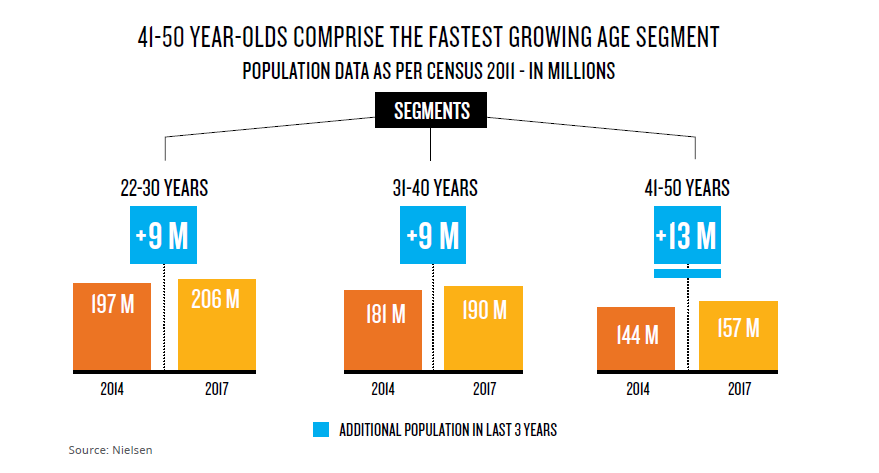
Time for Secondary Research
For Understanding Gen X better
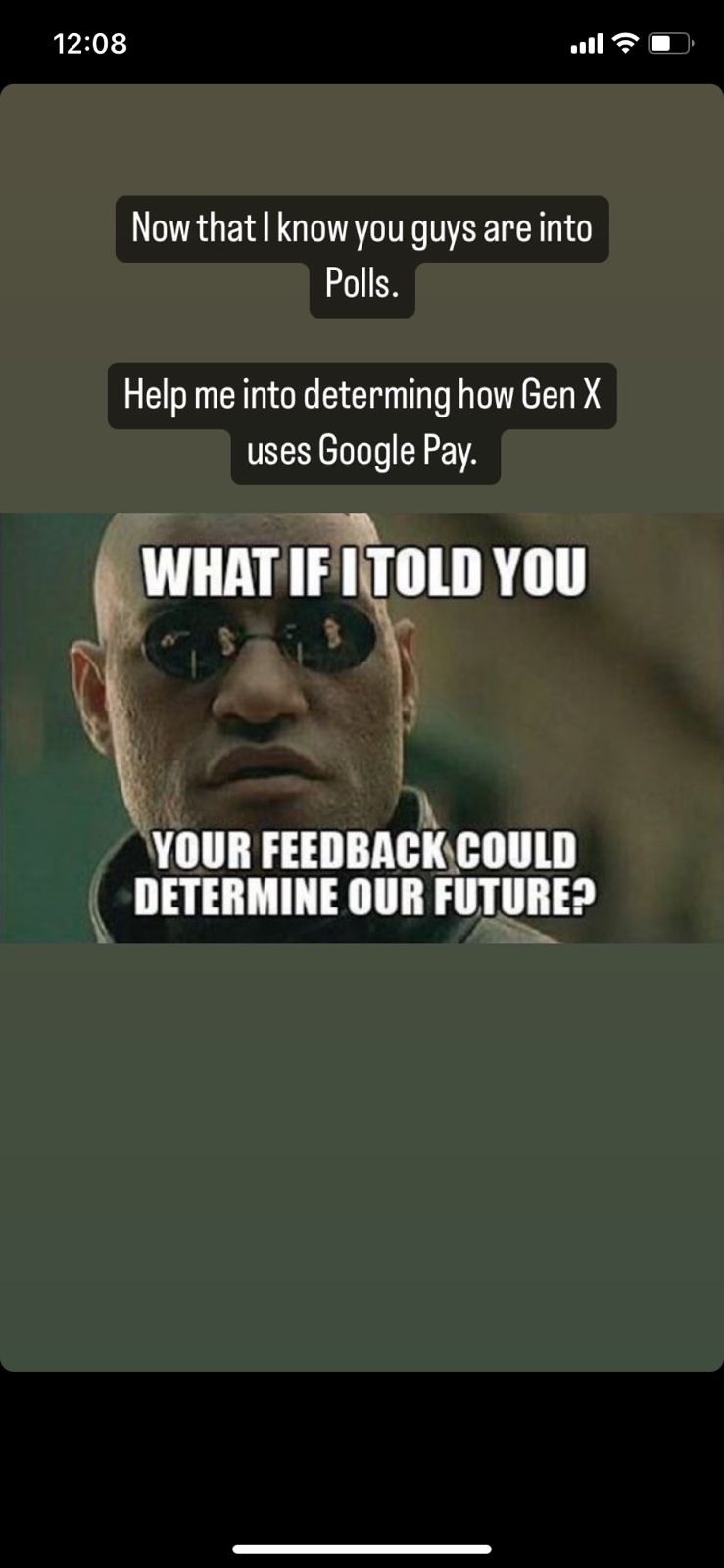
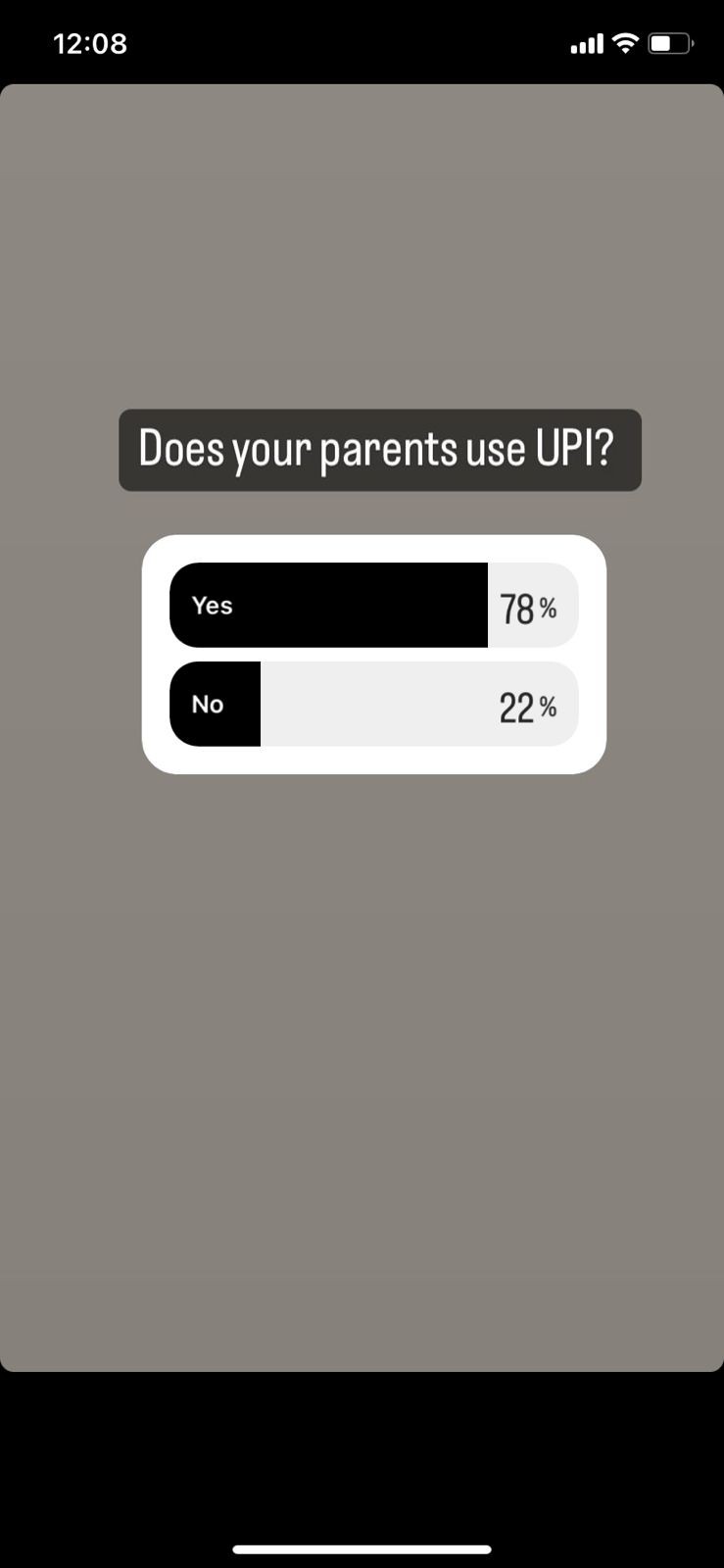
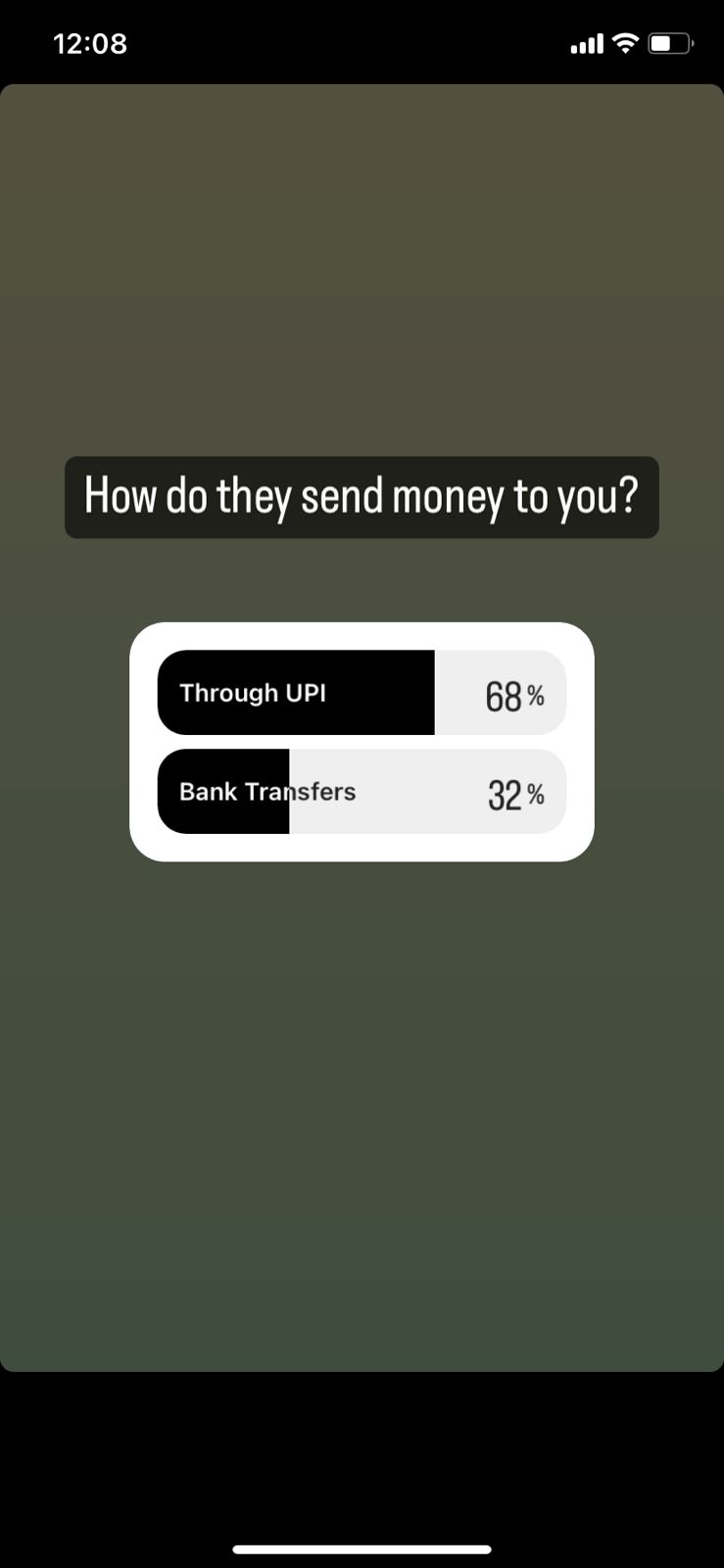
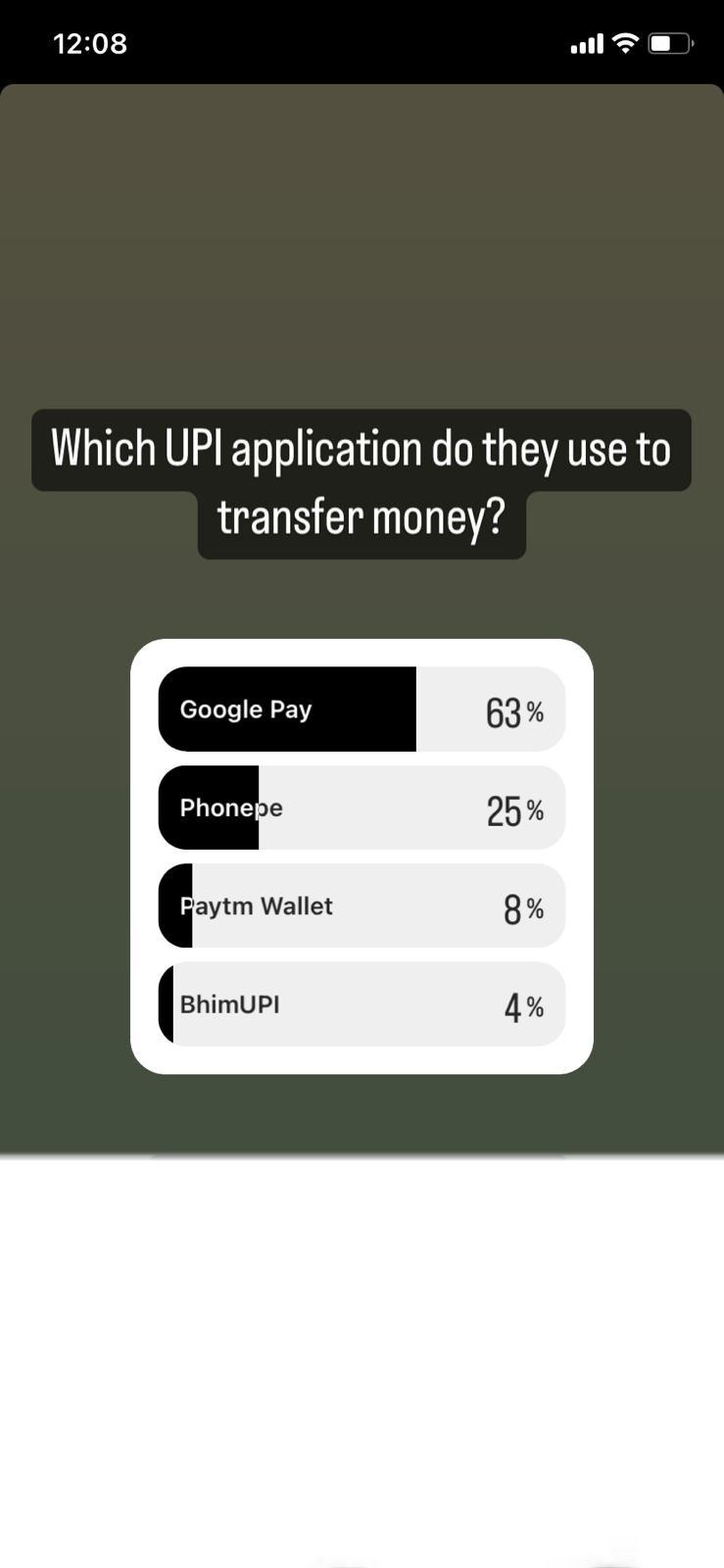
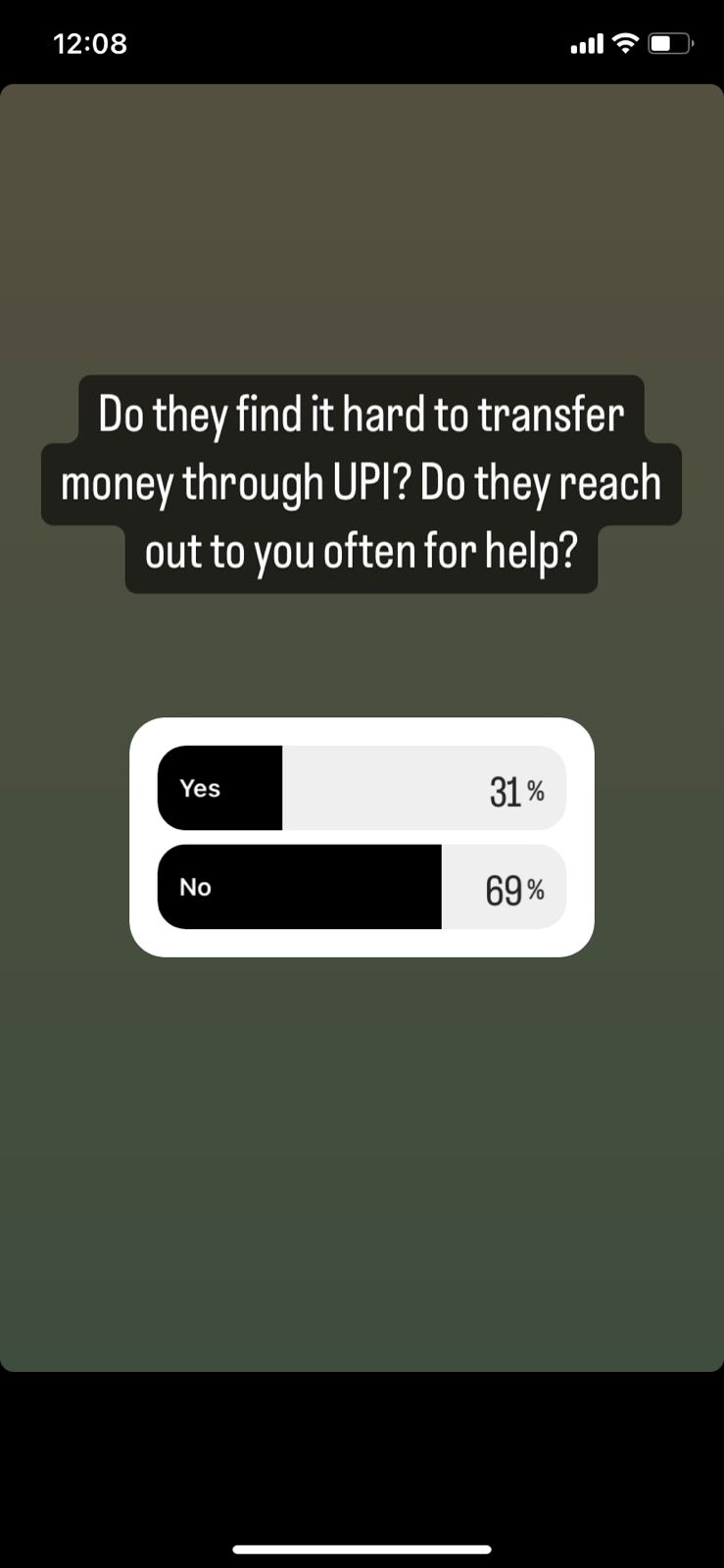
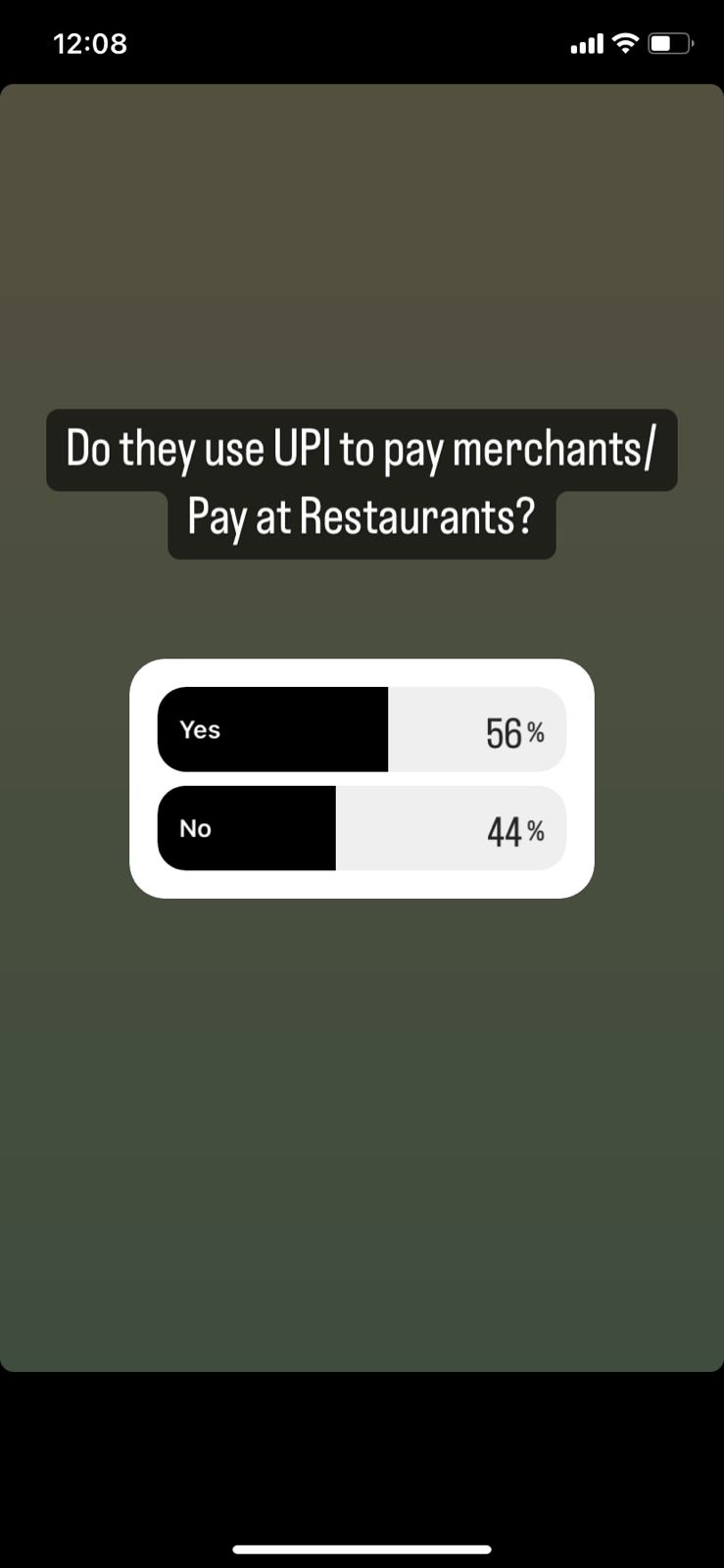
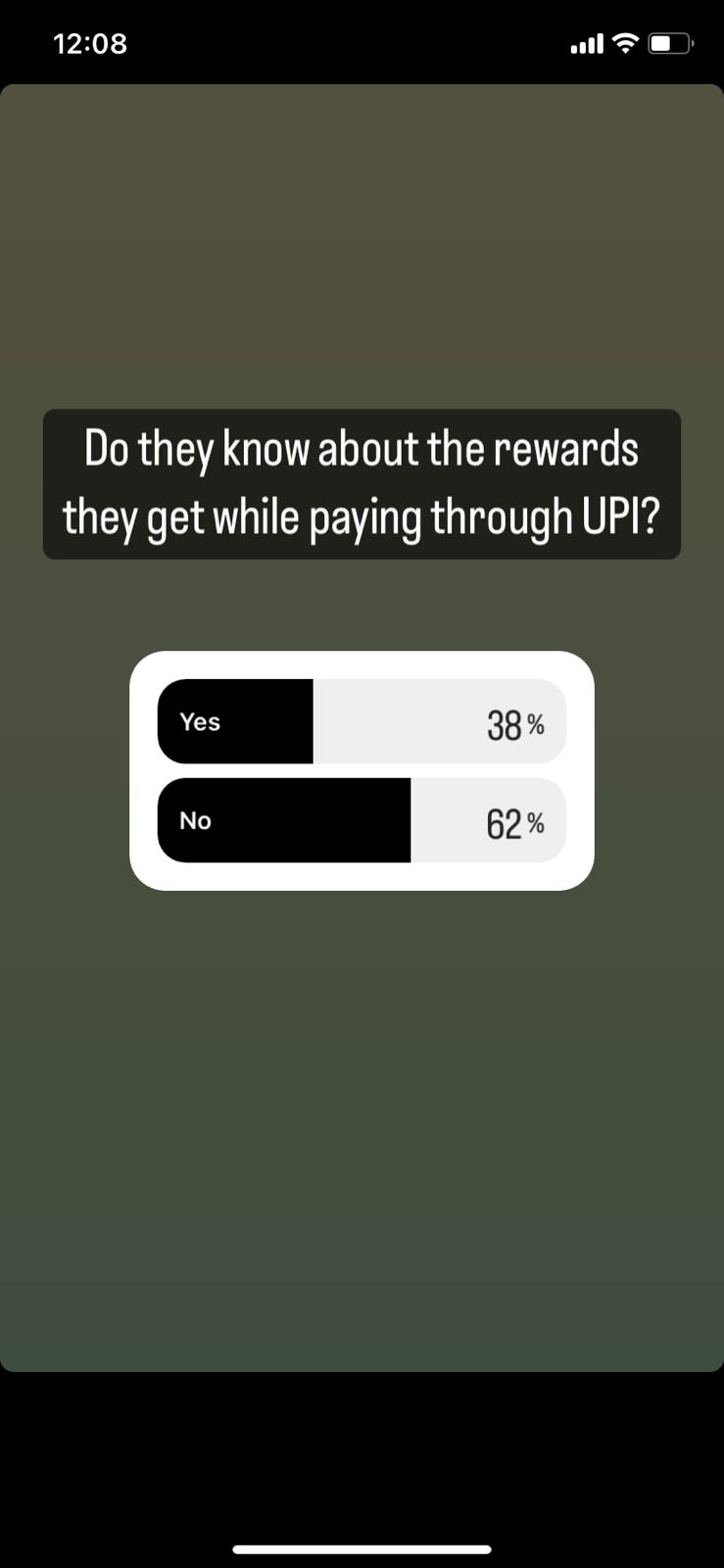
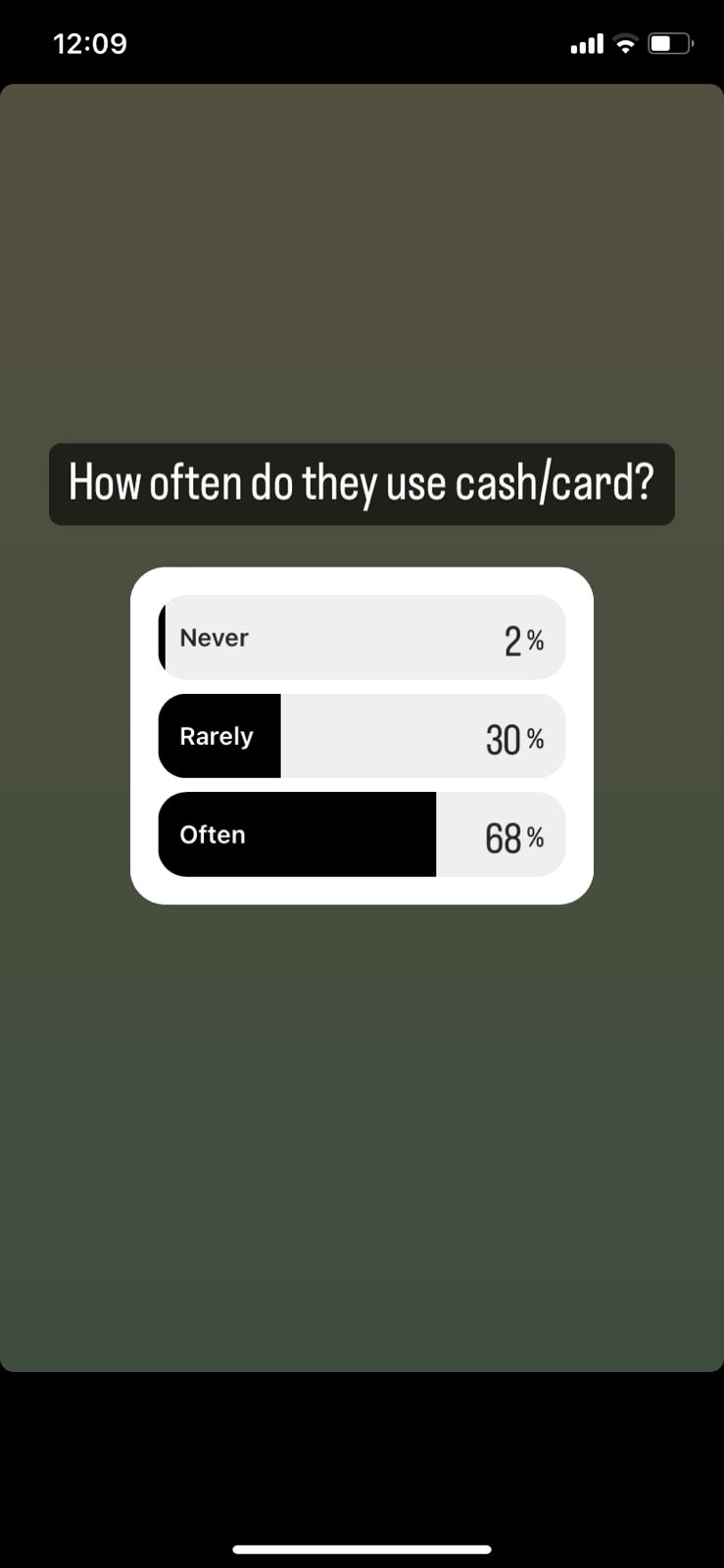
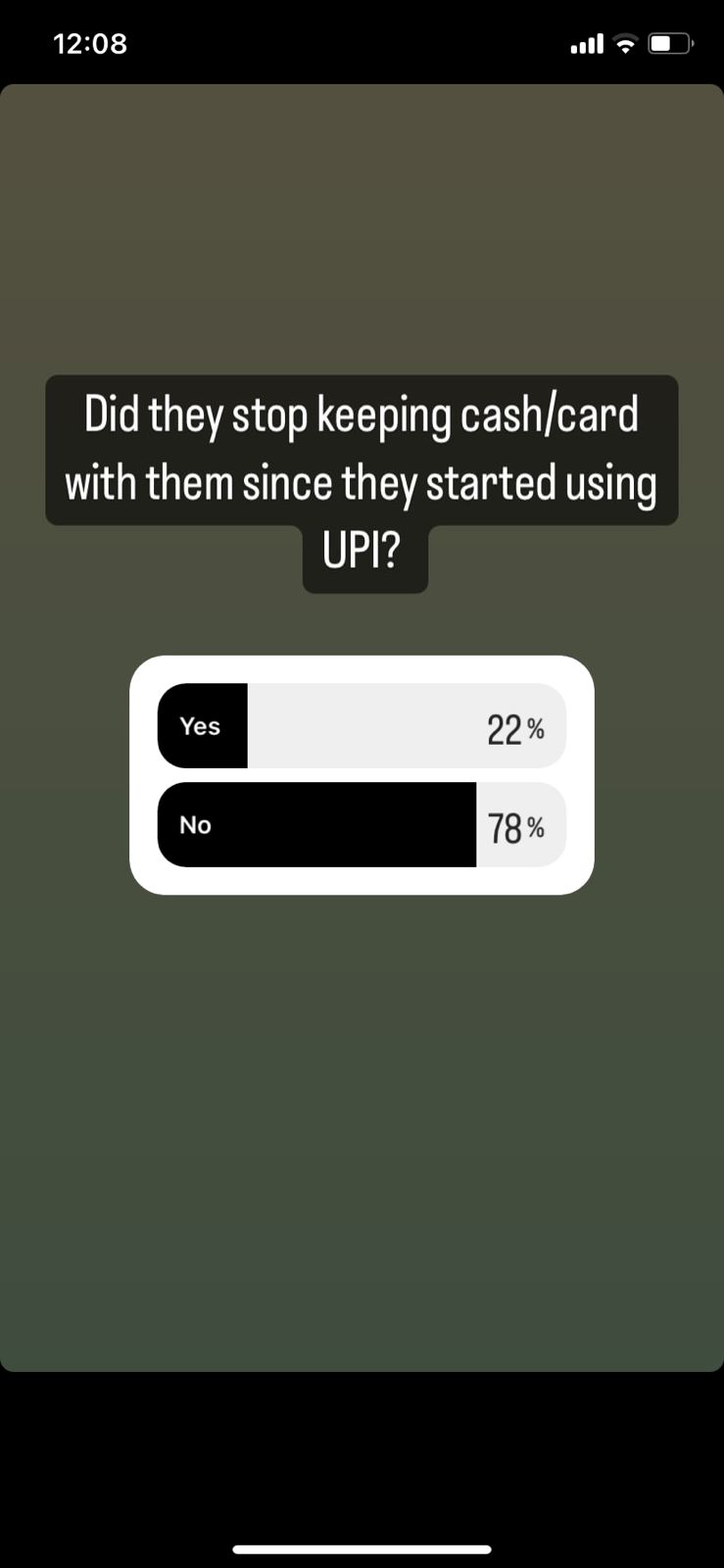
After the insights gathered by Instagram poll
it was time for me to speak to the Users Directly i.e. GEN X
I decided to speak to my parents as well as my friend's mother.
Participant 1 : Aunty
Age : 53
Occupation : HouseWife
City : Tier 3 city in UP.
( Name and Location has been kept confidential for their privacy)
Do you use UPI?
P1 : Yes I do.
What motivated you to switch to UPI?
P1: It was convenient to use UPI, We carry our phones everywhere, but sometimes we forget to carry our wallet, or go to the ATM to get cash.
Since when have you been using UPI?
P1: I started using since 2019, so it has been around 5 years.
How often do you use UPI?
P1: Twice a Week mostly as I hardly go out.
Which is the payment application you mostly use?
P1: Paytm payment Account.
How safe do you feel while making transactions through UPI?
P1 : I feel complete safe.
How easy is it for you to use UPI? Do you face any difficulty? If yes, what difficulties?
P1: I find it very easy to use and hardly face any difficulty.
Where are the places, UPI comes handy?
P1: I mostly use it for Online Shopping.
How often do you use Cash/Card?
P1: Hardly. Even Vegatable Vendors have UPI now, So I don't need cash at all.
Can you see yourself survive without UPI in this current environment?
P1: I can't think of a life without UPI in current scenario
What are the things you wish UPI Had or didn't have?
P3: I find it completely fine as how it is.
Participant 2 : Mummy
Age : 48
Occupation : Working Women / Government School Teacher
City : Tier 3 city in Assam.
( Name and Location has been kept confidential for their privacy)
Do you use UPI?
P2 : Yes I do.
What motivated you to switch to UPI?
P2: It is easier to send money to my Daughters and sometimes Online websites don't have COD, so UPI comes handy.
Since when have you been using UPI?
P2: I started using since 2021, due to pandemic as using cash wasn't that safe. So it's been recent.
How often do you use UPI?
P1: Once a week.
Which is the payment application you mostly use?
P1: Google Pay
How safe do you feel while making transactions through UPI?
P2 : I find it moderately safe. I am often scared of getting scammed or sending money to the wrong person as I tend to get confused because of the similar profile pictures.
How easy is it for you to use UPI? Do you face any difficulty? If yes, what difficulties?
P2: I find it a lil hard and tend to seek support from my daughters or colleague from time to time. Most of my difficulties is to finish up the transaction, I often get confused and scared going through the entire flow as we are talking about money.
Where are the places, UPI comes handy?
P2: Online shopping, sending money to my daughters or someone else. Also shopping in general.
How often do you use Cash/Card?
P2: I mostly use Cash, almost everyday. Card I hardly use.
Can you see yourself survive without UPI in this current environment?
P2: I can survive without UPI, but it will create alot of problems. It's a convenient tool.
What are the things you wish UPI Had or didn't have?
P2: The default Profile picture is very confusing as I tend to not read the name.
Participant 2 : Dad
Age : 55
Occupation : Government School Teacher/Business Man/Architect
City : Tier 3 city in Assam.
( Name and Location has been kept confidential for their privacy)
Do you use UPI?
P3 : Yes I do.
What motivated you to switch to UPI?
P3: It is easier to send money to people, Online shopping as well as getting anything from merchants, also mobile recharge or wifi recharge or any bill payments.
Since when have you been using UPI?
P3: I started using since 2019.
How often do you use UPI?
P3: 4-5Times a week.
Which is the payment application you mostly use?
P3: Google Pay, PhonePe.
How safe do you feel while making transactions through UPI?
P3 : I find it moderately safe. I am often scared of getting scammed or sending money to the wrong person.
How easy is it for you to use UPI? Do you face any difficulty? If yes, what difficulties?
P3: I find it very easy.
Where are the places, UPI comes handy?
P3: Online shopping, sending money to my daughters or someone else.Bill Payment.
How often do you use Cash/Card?
P3: I use UPI mostly, then Cash and Card.
Can you see yourself survive without UPI in this current environment?
P3: I can survive without UPI, but it's convenient to have it.
What are the things you wish UPI Had or didn't have?
P3: I really Wish they figure out the layput, it is often confusing for people using it for the first time, and why do I have to scroll down to find my transaction history or balance?
Insights
Motivation for Using UPI: All three of them agreed that UPI made their lives easier. It allowed them to effortlessly send money, especially for online purchases, and take care of various bills and recharges.
Varied Experience Levels: While P1 and P3 felt quite secure using UPI, P2 had some reservations. They felt moderately safe, mainly because they worried about scams or making mistakes when sending money.
Ease of Use: P3 found UPI a breeze to use, but P1 and P2 had different stories. P1 had no major problems, while P2 sometimes found it tricky, especially when dealing with actual transactions. This highlights the importance of making UPI apps user-friendly for everyone.
Frequency of Usage: P3 was the champion of UPI use, relying on it for a wide range of financial activities. P1 used it occasionally due to limited outings, and P2 used it once a week, showing that people have different patterns of usage.
Preferred UPI Apps: Google Pay and PhonePe were the stars among these participants, showing that certain UPI apps have won their trust and become their go-to choices.
Survival Without UPI: While they agreed they could manage without UPI, they all appreciated the convenience it brought to their lives. It's like having a helpful tool in their pocket, even though not a life-or-death necessity.
Areas for Improvement: P3 had a great suggestion about improving the layout of UPI apps, making them more user-friendly. P1 and P2 didn't mention any specific issues, but it's clear that better app design can make everyone's UPI experience smoother.
My Final Say.
In the context of our study, it's clear that making UPI apps more user-friendly is essential. We've seen that users like P2 may have varying levels of familiarity with technology, so it's crucial for Product designers to simplify the transaction process, offer intuitive navigation, and provide clear instructions. Security is a top concern, and UPI platforms should address the diverse security worries users may have by communicating robust safety measures and offering in-app guidance. These apps should also cater to various user needs, such as online shopping and bill payments, by offering features that enhance these experiences. Allowing users to customize their app experience, like choosing profile pictures, can help reduce confusion. Continual improvement based on user feedback and usability testing is key, and accessibility and educational resources should be integrated within the app. Building a sense of community and providing accessible customer support, as suggested by P2, can enhance the overall user experience. Lastly, improving app layout and organization, exploring personalized features, and adopting a user-centric design approach are vital steps forward.